Volunteer Coral Conservation in the UK: How to Get Involved
From beach cleans and Seasearch dive surveys to aquarium volunteering and cold-water coral recording, here...

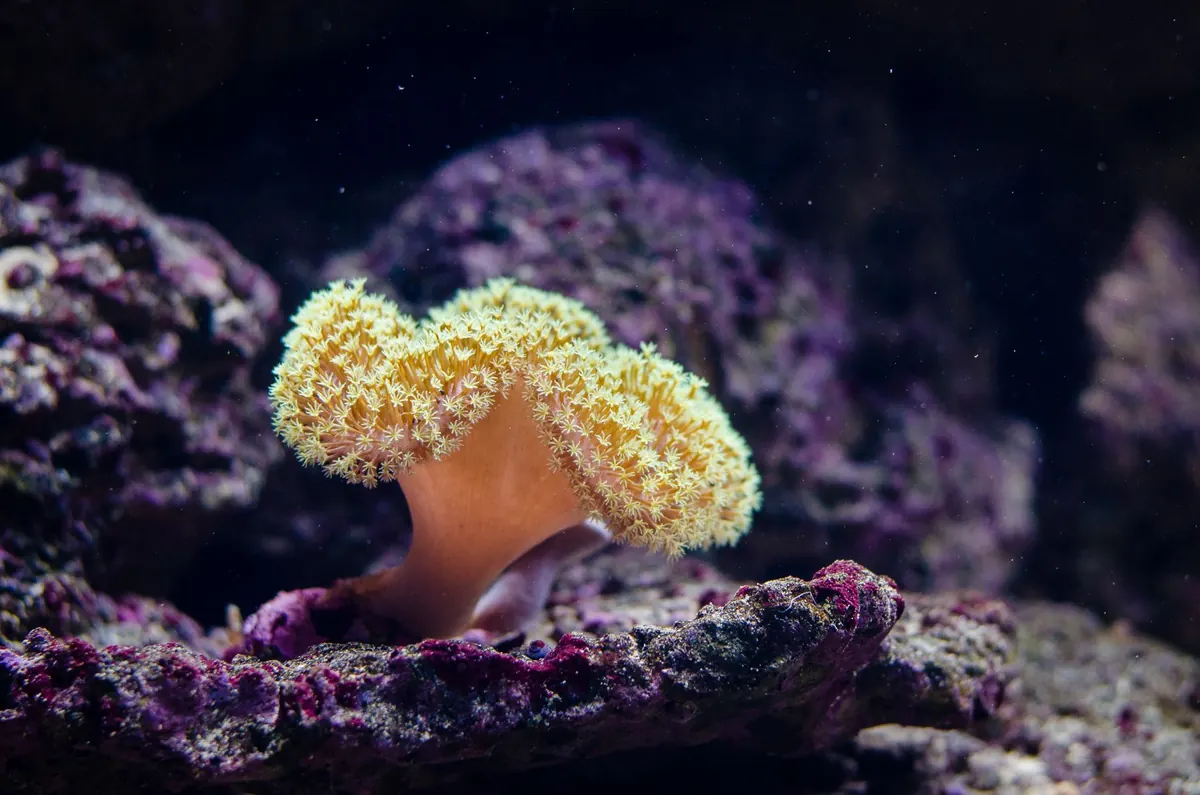
Few things in a home aquarium compare with a frag of coral extending its polyps under blue light for the first time. The appeal is easy to understand; the responsibility takes a little more thought. Every piece of livestock you buy has a history, and some histories are kinder to wild reefs than others. The encouraging part is that the responsible route into the hobby is also the one that gives you a healthier tank. Captive-grown corals settle faster, feed more readily and arrive without the damage that wild collection can leave behind.
Reef-safe aquarium keeping is not about avoiding every wild animal forever. It is about knowing where your livestock comes from, buying from people who can answer that question, and building a system that keeps captive-bred and captive-grown animals thriving. That approach protects reefs and saves you money, because hardy, well-sourced specimens are far less likely to die in the first few months.
Before you compare skimmers, work out where your corals and fish will come from. Corals in the trade fall into a few broad categories:
Ask questions before you buy. A retailer who can name the species, describe its origin and say how long they have held it is usually worth returning to. International trade in stony corals is regulated, and reputable sellers hold the paperwork. Avoid live rock chiselled off a wild reef; dry rock, aquacultured rock and ceramic structures do the same job without the damage.
If a shop cannot tell you where a coral came from, that is already an answer.
For fish, captive-bred clownfish, gobies, blennies and cardinalfish are widely available. Where a species is only sold wild-caught, ask how it was collected; some collection methods harm reefs directly, so a straight answer about origin and method is a reasonable condition of your purchase. If the seller cannot provide it, walk away. The same logic applies to cleanup crews. Many snails and hermit crabs are wild-collected, and while some fisheries are managed well, you can often find aquacultured or captive-bred alternatives. Support the suppliers who treat the question as normal, not inconvenient.
A reef-safe setup is also a stable setup. Beginners often buy equipment first and then chase animals that do not suit it. A better plan is to choose hardy, captive-grown species first and let them dictate the tank. A 20- to 40-gallon aquarium is a practical starting point: small enough to afford, large enough to avoid rapid swings in temperature and chemistry. Larger tanks are more forgiving, but only if you can keep up with water changes and testing.
New tanks do not have the bacteria needed to process fish waste. The nitrogen cycle turns toxic ammonia into nitrite and then into much less harmful nitrate. Set up your dry rock and sand, add a source of ammonia, and wait. Bottled bacteria products can speed the process, but they do not remove the need for testing. A cycle may take four to eight weeks. Only when ammonia and nitrite read zero should you add the first fish, and even then, add them slowly.
This waiting period is not dead time. It is when you plan your livestock list, set up your quarantine tank and decide which captive-grown corals you want. Patience here prevents the classic beginner mistake of adding too much too fast, which stresses animals and often leads to disease or coral loss.
Captive-grown soft corals and LPS corals are the best first choices. They tolerate a range of conditions, accept target feeding, and are widely available as frags.
Dip every coral according to the product instructions and inspect the frag plug for pests such as aiptasia, flatworms, red bugs or nudibranchs. A coral quarantine tank is ideal if you have space. Even a two- to four-week observation period helps you catch problems before they reach the display. Avoid non-photosynthetic corals such as sun corals and many gorgonians until you are comfortable feeding multiple times a week.
Captive-bred fish are not just an ethical choice; they are usually easier. They arrive already eating prepared foods, tolerate aquarium conditions and do not carry the collection stress of wild-caught specimens. Look for captive-bred ocellaris and percula clownfish, Banggai cardinalfish, yellow watchman gobies, neon gobies, orchid dottybacks and pajama cardinalfish. Captive-bred mandarins are also available now, though they still need a mature tank with a steady supply of pods or frozen food.
Be careful with fish that are not reef-safe. Many angelfish, butterflyfish, parrotfish, filefish and triggerfish nip at corals or eat inverts. Some are manageable with caution, but a beginner should avoid them. For cleanup, choose reef-safe snails such as Trochus, Cerith and Nassarius, plus a few small hermits if you like them. Peppermint shrimp can eat aiptasia, but individuals vary, so watch them around fleshy corals.
Overfeeding is one of the fastest ways to turn a healthy reef tank into an algae farm. Feed fish one or two small meals a day, and only what they eat in a couple of minutes. Target feed LPS corals once or twice a week. Most soft corals do fine with light and fish waste alone.
Export nutrients with a protein skimmer, regular water changes and, if needed, a refugium growing chaetomorpha. A 10 to 20 percent water change every week or two replaces trace elements and dilutes waste. Test alkalinity, calcium and magnesium if you keep stony corals, and keep nitrate and phosphate measurable but low. Stability matters more than chasing a perfect number. A tank that swings from 7 to 11 dKH every week is harder on corals than one that sits steadily at 8.
Quarantine is not just for fish. It protects your display tank from disease, pests and algae. A simple fish quarantine routine looks like this:
The most reef-safe aquarium is not the one with the most expensive equipment. It is the one where every purchase is deliberate. You ask where the animal came from. You choose captive-bred fish and captive-grown corals when you can. You quarantine, you feed carefully, and you keep the water stable. None of that makes the hobby less enjoyable. In fact, it makes the first polyp extension, the first new frag, and the first quiet morning in front of the tank feel earned. A healthy captive reef is a small thing, but it is part of a larger story: one where hobbyists help protect wild reefs instead of merely taking from them.
Photo: Flickr / Pexels
From beach cleans and Seasearch dive surveys to aquarium volunteering and cold-water coral recording, here...
Rising carbon dioxide is making seawater less alkaline, which slows the growth of coral skeletons. Here's...
Ten practical questions to ask a dive operator before you book, from mooring practice and group size to...