Ocean Acidification and Coral Reefs: A Simple Explainer
Rising carbon dioxide is making seawater less alkaline, which slows the growth of coral skeletons. Here's...

Coral reefs can feel like somewhere else entirely: the Red Sea, the Great Barrier Reef, the Caribbean. But the UK has a coral story of its own, and there are real ways to get involved without leaving the country. Cold-water coral grows in Scottish waters, aquariums around the coast run volunteer programmes, and citizen science schemes need people who can count, photograph and record. What follows is a practical map of the options, from a two-hour beach clean to a long-term dive survey habit.
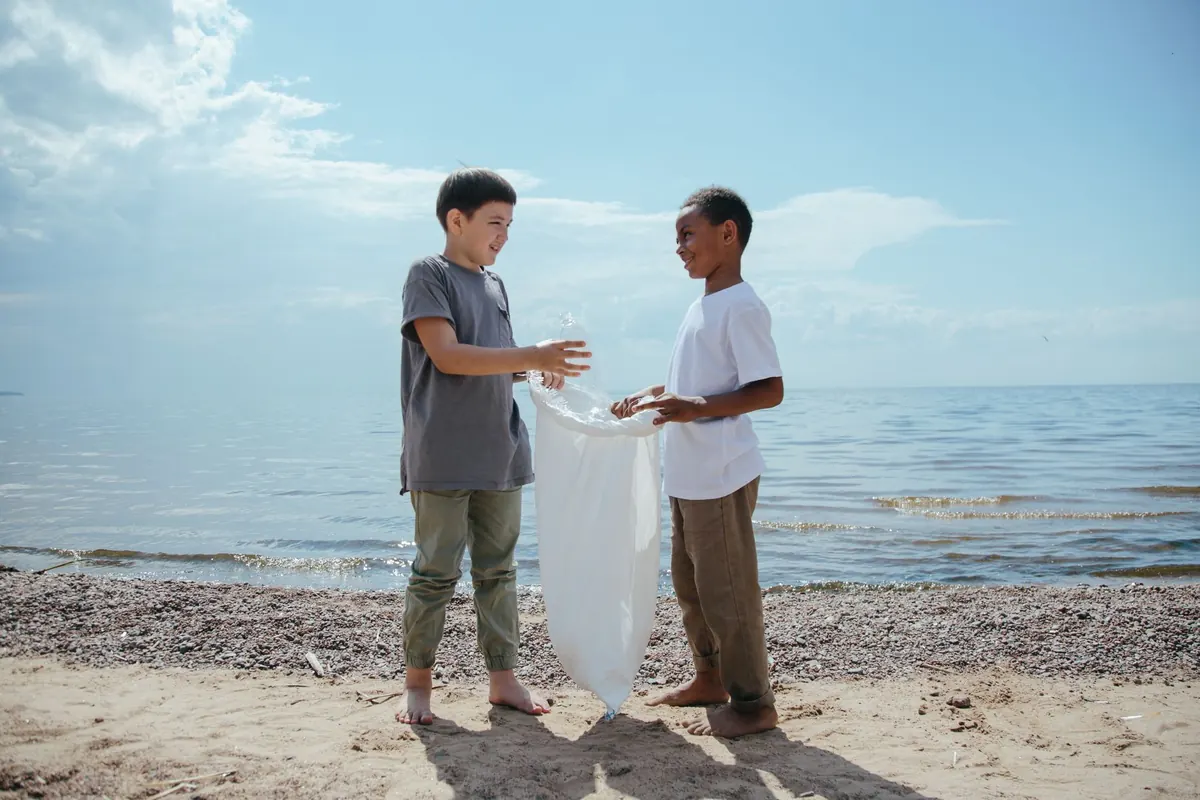
Beach cleaning is the easiest entry point, and it is not just tidying up. The data collected matters. The Marine Conservation Society runs Beachwatch surveys throughout the year and its Great British Beach Clean each September, where volunteers record what they find across a set stretch of shoreline. That litter data feeds into campaigns on plastic pollution, fishing gear and sewage-related debris.
Surfers Against Sewage supports local beach clean groups and provides kits and guidance. The Wildlife Trusts, Keep Britain Tidy and various community groups run their own events, and the Two Minute Beach Clean idea works if you simply want to pick up what you find on a walk.
A few things make a clean more useful:
Beach cleans do not restore coral directly. They reduce pressure on marine life and, just as importantly, they put you in touch with people who know the local coast.
Seasearch is a volunteer diving and snorkelling survey programme run by the Marine Conservation Society. Volunteers record habitats and species, and the results go to local records centres, conservation bodies and marine planning processes. You do not need to be a marine biologist, but you do need to be a competent diver for the underwater surveys.
The usual route looks like this:
If diving is not for you, shore-based recording still counts. Rock pool surveys, strandline searches and snorkel transects all produce usable data. Local Wildlife Trust Living Seas groups often need recorders, photographers and people to enter data afterwards.
Britain has genuine coral habitat. Lophelia pertusa, a cold-water coral, forms reefs in Scottish waters, including areas around the Minch, Rockall and the Darwin Mounds. These reefs support sponges, sea fans and fish, and they grow very slowly. Bottom trawling and sedimentation are the main pressures, which is why marine protected areas matter.
You will not see a tropical reef on a weekend snorkel, but you can contribute records of related species: Devonshire cup corals, dead men's fingers, sea anemones andhydroids. Seasearch divers record these regularly, and shoreline recorders add sightings through schemes such as iRecord. If you want to understand reef conservation in a UK context, this is where the real work sits.
Public aquariums depend on volunteers for visitor engagement, education tables, tank-side talks and sometimes husbandry support. The National Marine Aquarium in Plymouth, The Deep in Hull and various SEA LIFE centres run volunteer or work experience programmes. Roles vary, so ask what is available locally and what commitment is expected.
Reef-keeping clubs are another route. Marine aquarist societies trade and frag corals, which means captive-grown colonies are shared rather than taken from the wild. Some clubs run breeding projects and give talks on coral husbandry. It is not conservation in the field, but it builds species knowledge and supports the argument for sustainable trade.
Check age limits, DBS requirements and shift patterns before applying. Aquarium volunteering is competitive and usually asks for a regular commitment.
Not everyone can get wet. Fundraising and advocacy keep reef organisations running. The Marine Conservation Society, the Wildlife Trusts and the Reef-World Foundation, a UK-registered charity behind the Green Fins approach to sustainable diving and snorkelling, all rely on supporters.
Useful actions include responding to government consultations on marine protected areas, writing to your MP about sewage and fishing policy, choosing certified sustainable seafood where you can, and fundraising through a sponsored swim, a quiz night or a workplace challenge. If you donate, ask how the money is used and whether local communities and staff are paid fairly.
Several UK-based organisations run marine research expeditions overseas, including Operation Wallacea, Frontier and Blue Ventures. Some accept volunteers with no science background, and some charge a fee that covers training, food and accommodation. Reef-World works in Southeast Asia, though field volunteer places are limited.
Before booking anything, ask direct questions: Where does the money go? Is the data published or used by local managers? Are local staff employed? What insurance and dive medical cover do you need? Diving carries real risks, so get a proper medical check, take out travel insurance that specifically covers diving, and follow Foreign, Commonwealth and Development Office travel advice.
Pick one thing and do it within the next month. Book onto a local beach clean, or email your nearest Wildlife Trust about shore recording. If you dive, find the next Seasearch Observer course and put the date in your diary. If you prefer dry land, apply to an aquarium volunteer programme or join a reef-keeping club.
Keep a simple notebook or spreadsheet of what you record, with dates, locations and conditions. Reliability matters more than enthusiasm: organisers remember the people who turn up when they say they will. Build one skill at a time, whether that is species identification, first aid or a dive qualification, and you will become genuinely useful rather than just willing.
Photo: Ron Lach / Pexels
Rising carbon dioxide is making seawater less alkaline, which slows the growth of coral skeletons. Here's...
A practical beginner's guide to building a home reef tank that thrives while keeping pressure off wild reefs.
Ten practical questions to ask a dive operator before you book, from mooring practice and group size to...