Volunteer Coral Conservation in the UK: How to Get Involved
From beach cleans and Seasearch dive surveys to aquarium volunteering and cold-water coral recording, here...

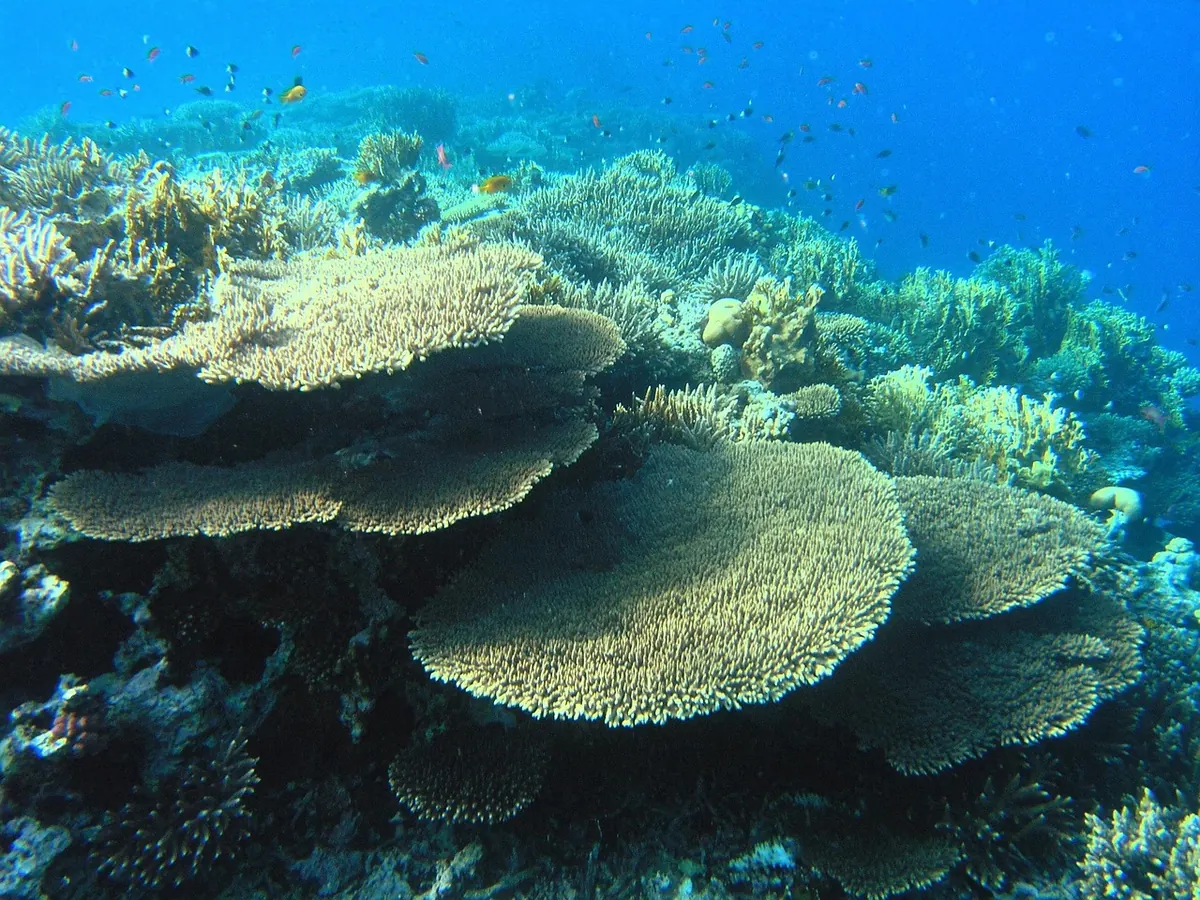
Most damage done to coral reefs by snorkellers isn't caused by carelessness or cruelty. It's caused by a fogged mask, a loose fin, and a turtle that swims off just as you reach it. A reef that has grown for centuries can be fractured by a fin tip in under a second, and the same handful of mistakes show up again and again on busy reef flats. The good news: all seven are easy to correct, and correcting them usually makes the swim itself better — calmer, longer and far more rewarding.
Anyone who has floated over shallow coral has felt the temptation. Your mask is leaking, your snorkel is full of water, and the nearest lump of coral suddenly looks like a handy place to put a foot down. It isn't. Coral is a thin layer of living animals over a limestone skeleton, and standing, kneeling or pushing off with a hand kills the polyps underneath and can snap a colony that took decades to build.
The fix begins before you get wet. Fit and defog your mask on the boat or on the sand, not over the reef. Practise in waist-deep water until clearing your snorkel is automatic. Once you're out there, keep your body horizontal and your hands occupied — clasp them, fold them across your chest, or rest them on a surface float. If you genuinely need to stop, stop over sand or in deep enough water, and fin gently to hold position.
A turtle glides past, and the instinct is to follow. Every snorkeller behind you has the same idea, and within a minute the animal is surrounded, unable to surface for air without bumping into someone. Fish chased away from a cleaning station miss the treatment that keeps them healthy. Rays and reef sharks pushed out of a resting spot burn energy they need.
Do less and you'll see more. Hover, breathe slowly and let the animal come to you. Approach from the side rather than head-on, keep a couple of metres of clear water between you where you can, and never position yourself between a creature and open water. Two quiet minutes watching a feeding fish beats ten minutes of chasing one.
Sun protection matters, and burning yourself on day one ruins the rest of the trip. But what you put on your skin ends up in the water. Some chemical filters have been linked to coral damage, and a number of marine parks now ask visitors to avoid certain ingredients inside their boundaries. Mineral filters — non-nano zinc oxide or titanium dioxide — are the usual alternative recommended for reef areas.
If you have a skin condition, burn easily, or take medication that affects sensitivity to sunlight, follow the advice of your doctor or pharmacist rather than adjusting your routine for the reef alone.
Cameras on long wrist straps swing into coral heads. A snorkel left in the mouth drags when you duck under. A guide line gripped too tightly pulls you down. And snorkellers who haven't learned to float tend to sink their legs, kicking downwards into the reef without realising it.
Keep your hands still and your kit close. Clip a camera to a short leash on your wrist or chest, tuck the snorkel aside when you dive, and never trail a pole over a colony. If floating is hard work, spend an hour in a pool or shallow lagoon practising relaxed breathing and a horizontal position. A snorkelling or freediving course is money well spent: better buoyancy means less contact with everything, including the reef.
Feeding changes behaviour. Fish that learn to expect bread or frozen peas become aggressive, crowd snorkellers and lose the foraging habits that keep them fed when tourists go home. Lifting a starfish or sea cucumber out of the water for a photograph can injure it, and an empty shell on the sand is often somebody's home. Coral jewellery and "dead coral" ornaments sold at markets are frequently taken from living reef.
If you can put a finger on it, it is probably alive. Look, photograph, and leave it exactly where it is.
Return anything you have moved, even if it looks lifeless — reef flats at low tide are full of animals doing a very good impression of rock. Buy photographs rather than coral, shells or shark teeth.
Your choice of operator matters as much as your own behaviour. Boats that drop anchors onto coral, groups of forty with one guide, and crews who scatter food to bring fish close all do damage before you've put your mask on. Before booking, ask a few direct questions: does the boat use mooring buoys? How big are the groups? How many snorkellers per guide? Do guides carry surface floats, and are they trained in reef-safe practice?
Small groups with a clear no-touch policy are worth paying a little more for. If a guide invites you to handle something for a photo, it's perfectly fine to decline — politely, and out loud, so others hear that it's a choice.
A lagoon that looks glassy at nine in the morning can be surging by noon. Tides drain water off shallow reef flats, leaving coral heads inches below the surface where you'd normally swim in clear water. Currents push you along faster than you expect, and fatigue creeps up on anyone who has been finning for an hour in the sun.
Check the forecast, the tide and the wind before you set out, and ask locally whether the site suits your experience. Snorkel with a buddy, tell someone where you're going and when you'll be back, and carry a surface float or tow line if there's any current. Stay inside your comfort zone, drink water, and get out before your legs tell you to. Sunburn, cramp and panic cause more accidents than depth ever does.
Before you slip into the water, run through the same five steps every time:
If you do touch coral by accident, don't push yourself upwards off it — ease away in the direction you came, and avoid kicking to regain position. And if you see something seriously wrong, such as an anchor sitting on a reef or a boat grounded on coral, tell the crew and, where the site is protected, report it to the local marine park authority. Small habits, repeated by enough people, are what keep a reef worth returning to.
Photo: 12019 / Pixabay
From beach cleans and Seasearch dive surveys to aquarium volunteering and cold-water coral recording, here...
Rising carbon dioxide is making seawater less alkaline, which slows the growth of coral skeletons. Here's...
A practical beginner's guide to building a home reef tank that thrives while keeping pressure off wild reefs.