Volunteer Coral Conservation in the UK: How to Get Involved
From beach cleans and Seasearch dive surveys to aquarium volunteering and cold-water coral recording, here...

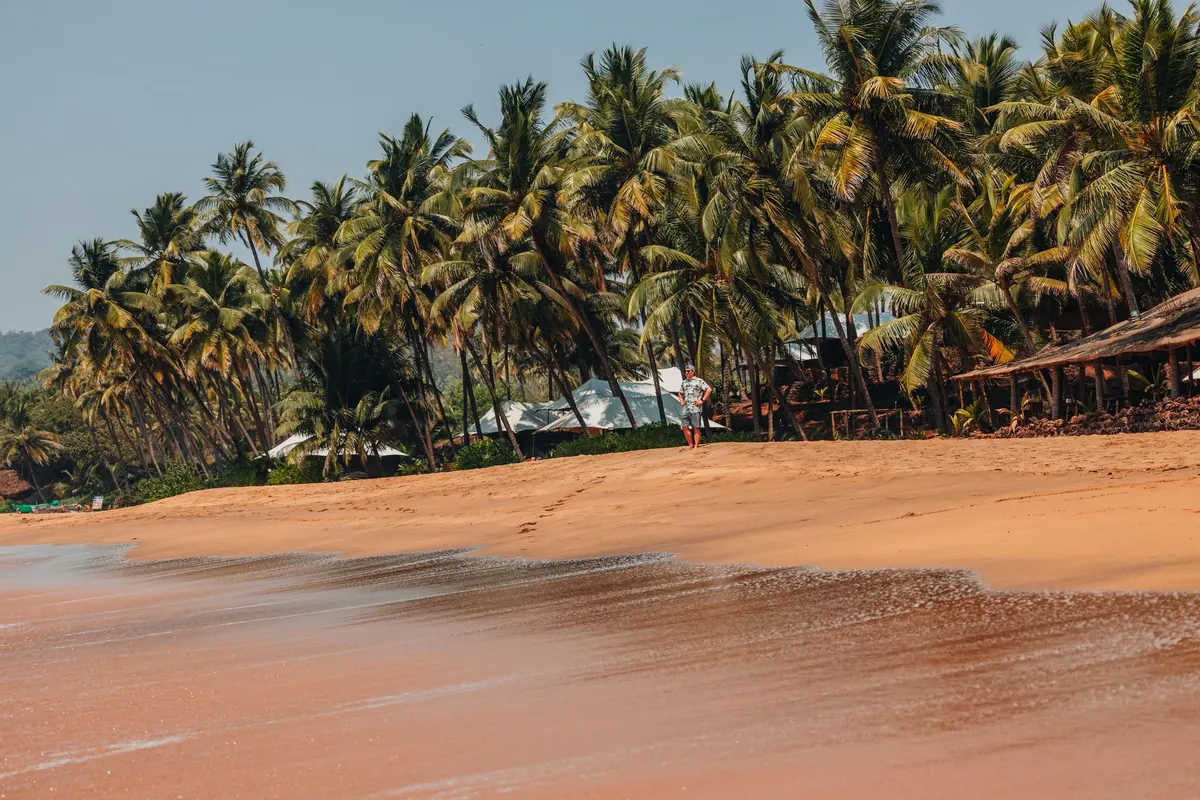
A reef holiday can be the best week of your year. It can also, done carelessly, be hard on the very thing you went to see: sunscreen washing off in a lagoon, a fin kick through a decade of coral growth, a resort built where the mangroves used to be. None of this means staying home. It means planning with the same care you would put into a diving qualification. Here is how to build a trip that leaves the reef at least as healthy as you found it.
Some reefs are under heavy pressure; others are actively managed, patrolled and recovering, and they tend to make better holidays anyway: calmer water, more fish, clearer visibility. Areas with real protection — marine parks such as Bonaire, Ras Mohammed in the Red Sea, or Belize's Hol Chan — usually restrict anchoring, cap visitor numbers and reinvest entry fees into rangers and moorings.
Travel distance matters too. Two short-haul trips will generally cost the climate less than one long-haul. If you are flying far, go for longer and go once rather than ticking off three destinations in a fortnight. Before you commit, ask yourself:
Certification is a useful filter, not a guarantee. Green Fins, run by the Reef-World Foundation, sets environmental standards for dive and snorkel operators. Blue Flag covers beaches and marinas, mainly in Europe. For hotels, look for schemes recognised by the Global Sustainable Tourism Council, such as Travelife or EarthCheck. Tour companies with B Corp status have at least signed up to measurable standards.
Then ask the operator directly, in writing, before you pay. How many divers per guide? Do you use moorings rather than anchors? Do you brief guests on no-touch practice? Do you feed fish on your trips?
Feeding fish to draw them in. Guides who kneel on coral for photographs. Anyone offering to let you hold, ride or "massage" a turtle or stingray. Shops selling coral, turtle shell or shark jaw souvenirs. If a trip is cheap because it skips the environmental basics, the reef is paying the difference.
Position and plumbing matter more than towel policy. A small guesthouse inland with proper wastewater treatment is usually kinder to a reef than a beachfront complex built on reclaimed lagoon, however green its website looks. Ask where waste water goes, and whether the hotel has removed single-use plastics in favour of refill stations.
Eating locally keeps money in the community and cuts the air miles on your plate. On the seafood side, learn two or three species to avoid. In the Caribbean, that means parrotfish and large grouper, which graze algae off coral and are heavily overfished. Everywhere, skip shark fin, turtle eggs and live reef fish. If a menu cannot tell you where the fish came from, order something else.
Most reef damage from tourists is accidental and avoidable. Kit that reduces contact and waste does most of the work:
Practise floating in a pool or over sand before you go near a reef. Keep horizontal, hands tucked or crossed, fins away from the bottom, and stay a metre or two back from anything you want to photograph. Buoyancy control is the single most useful skill a reef visitor can have, and it improves with every dive.
Do not touch, stand, kneel, collect or chase. Do not feed fish: it changes their behaviour and their diet, and hand-fed species often stop grazing the algae that smother coral. If you use a camera, clip it to you rather than holding it while you fin, and never pull yourself along the reef for a better angle. Listen to your guide if they call you back — they are usually watching your fins, not you.
Pay marine park fees without grumbling; they fund the boats, buoys and rangers that keep a reef worth visiting. Hire local guides, eat at local restaurants, tip the crew. Feedback works too: hotels notice when guests ask about wastewater and plastic, and dive shops notice when customers choose the operator with better practice.
If you want to volunteer, choose carefully. Good programmes hold permits, work with scientists and employ local staff. Be wary of any scheme that charges you to do work a local person could be paid for, or that puts untrained volunteers in direct contact with coral.
Six questions, asked before you pay a deposit, do most of the work. Is the reef protected, and does it benefit from my visit? Is the operator certified or, failing that, willing to answer detailed questions? Does the resort treat its waste water and cut single-use plastic? Have I packed mineral sunscreen, cover-ups and a refillable bottle? Do I know which species not to order? Have I checked marine park rules, any sunscreen restrictions and my travel insurance with my provider, especially for diving or snorkelling cover?
That is the whole method: choose well, ask awkward questions, pack less, touch nothing, and spend where it counts. A reef holiday planned this way is not a compromise. It is usually a better trip — quieter sites, healthier coral, and a week that leaves something behind other than footprints.
Photo: urtimud.89 / Pexels
From beach cleans and Seasearch dive surveys to aquarium volunteering and cold-water coral recording, here...
Rising carbon dioxide is making seawater less alkaline, which slows the growth of coral skeletons. Here's...
A practical beginner's guide to building a home reef tank that thrives while keeping pressure off wild reefs.