Volunteer Coral Conservation in the UK: How to Get Involved
From beach cleans and Seasearch dive surveys to aquarium volunteering and cold-water coral recording, here...

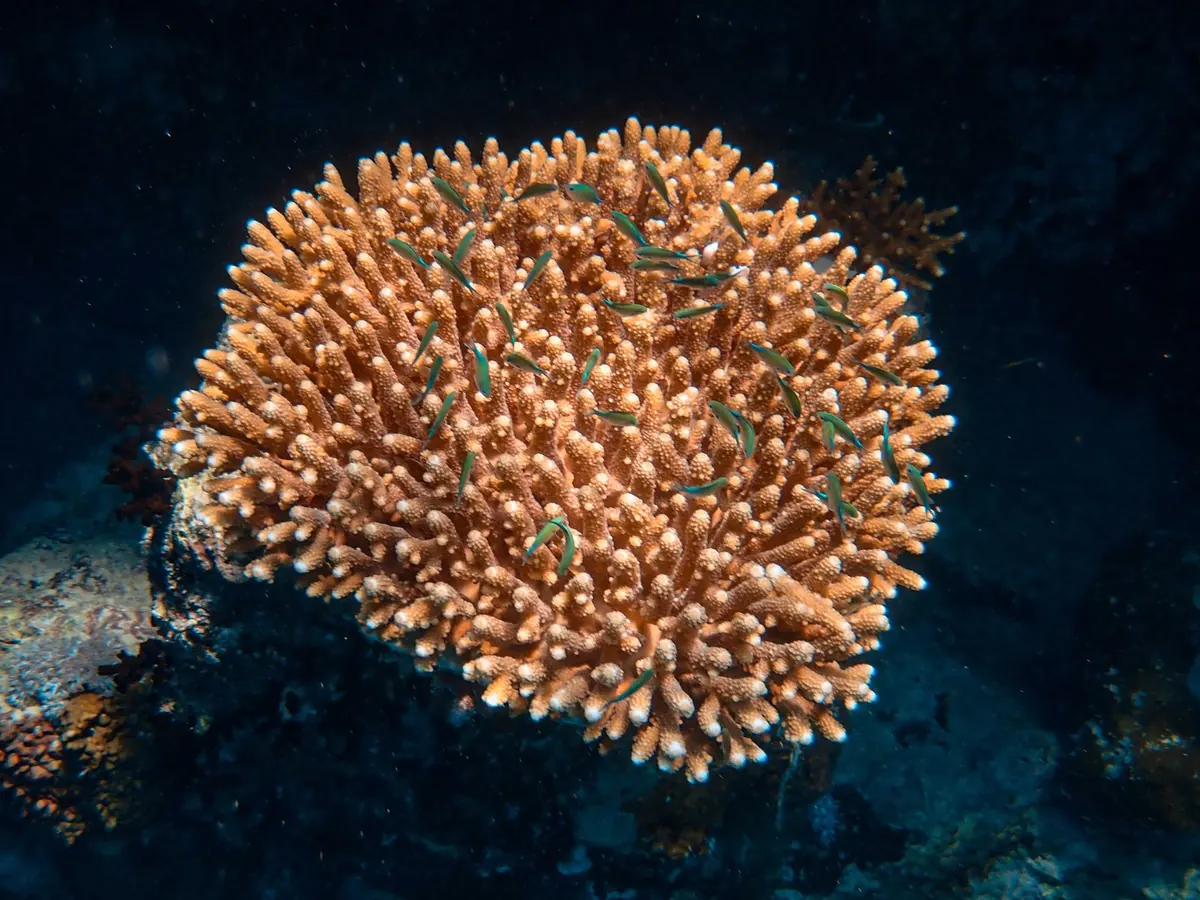
Coral spawning is one of the ocean’s great events, but it rarely happens on demand. For a few nights each year, usually after a full moon and once the water has warmed, colonies across a reef release their bundles of eggs and sperm together. The result is a pink, orange or pale cloud that drifts over the coral, sometimes for less than an hour. If you want to see it, you need to think in terms of seasons, moons and local conditions — not a fixed date in a diary.
Broadcast spawning — the mass release by species such as Acropora — is tied to water temperature and the lunar cycle. Corals need the water to have been warm enough for long enough for eggs and sperm to mature. Once that threshold is reached, the full moon acts like a starting gun. Many reefs spawn two to six nights after the full moon, often just after sunset.
The exact night varies by species, reef and year. Some corals spawn before the full moon; others split their spawning over two months. Brooding corals, which fertilise eggs inside the colony and release ready-made larvae, may spawn more often, including monthly or year-round. That is why local knowledge matters more than any global calendar.
Use this as a broad guide. The further you are from the equator, the more compressed the season tends to be.
On the Great Barrier Reef, the main mass spawning is usually winding down, though northern and inshore reefs can still produce late events. In the Caribbean, the sea is cooler and spawning is largely quiet. This is a good time for reef watching in the southern hemisphere, but not for spawning. In the Coral Triangle, some Acropora and other broadcast spawners may spawn around full moons in February and March, especially where the water has stayed warm. If you are on a liveaboard in Indonesia or the Philippines, ask the crew what spawned last month; they often keep records.
Spring in the northern hemisphere brings longer days, warming water and a flush of spawning. Reefs in the Coral Triangle, the Ryukyu Islands of Japan and parts of the Red Sea often see activity around full moons from April through June. Palau’s spawning is often associated with these months, though it can shift. In Western Australia, Ningaloo Reef has its own spawning window in late summer and autumn, typically around March and April. If you are planning a trip, aim to be in the water for several nights around the full moon rather than a single night.
The Caribbean takes centre stage. Elkhorn, staghorn and many boulder corals typically spawn in August, with activity sometimes extending into July and September. The Florida Keys, Belize, Bonaire and the Cayman Islands are well-known places to look, but the event is patchy. It often happens after the August full moon, a few nights into the dark. In the Indo-Pacific, this is generally a quieter period for mass spawning, though brooding corals and some species spawn throughout the year. Parts of the Red Sea may see summer spawning, but timings vary.
This is the headline season for the Great Barrier Reef. After the full moons of October, November and December, dozens of coral species release their bundles in synchrony. November is often the peak, but the reef is vast: different reefs and different species can spawn on different nights. The Coral Sea and parts of the Indo-Pacific may also see spawning. In the Caribbean, the season is ending, though some species spawn into October. Water temperature is the key. If the summer has been unusually cool, spawning can be late or patchy.
Not every reef has a reliable mass spawning. The best-known destinations are the Great Barrier Reef, Ningaloo Reef, Palau, parts of Indonesia and the Philippines, the Red Sea, and the Caribbean. But “best-known” does not mean guaranteed. A responsible operator will talk about probabilities, not promises. They will also know which reef zones and which species are most likely to spawn. When you enquire, ask:
If the answer is vague, keep looking.
Spawning is a vulnerable moment. Corals are releasing gametes, and the last thing they need is a fin in the cloud or a torch in their face. Watch from a distance, stay neutral in the water, and never touch or stand on coral. Do not chase the slick or swim through it. Avoid anchoring on reef; use a mooring buoy where one is provided.
Sunscreen can harm corals, so choose a reef-safe product or cover up with a rash vest. If you are on a boat, keep lights low and use red filters where possible. Follow local rules: some areas require permits, restrict night diving or close certain reefs during spawning. If you are diving, make sure you are trained and comfortable in low light. A torch beam can disorient other divers and marine life, so keep it steady and pointed away from the coral.
Spawning is unpredictable, so build flexibility into your plans. Here is a practical approach:
If you can, combine spawning with a broader reef trip. The reef is worth watching in every month, and the nights you do not see a spawn are still nights you will remember. If you are travelling for health reasons or taking medication, speak to a doctor before diving. The ocean rewards patience. So does coral spawning.
Photo: Francesco Ungaro / Pexels
From beach cleans and Seasearch dive surveys to aquarium volunteering and cold-water coral recording, here...
Rising carbon dioxide is making seawater less alkaline, which slows the growth of coral skeletons. Here's...
A practical beginner's guide to building a home reef tank that thrives while keeping pressure off wild reefs.